


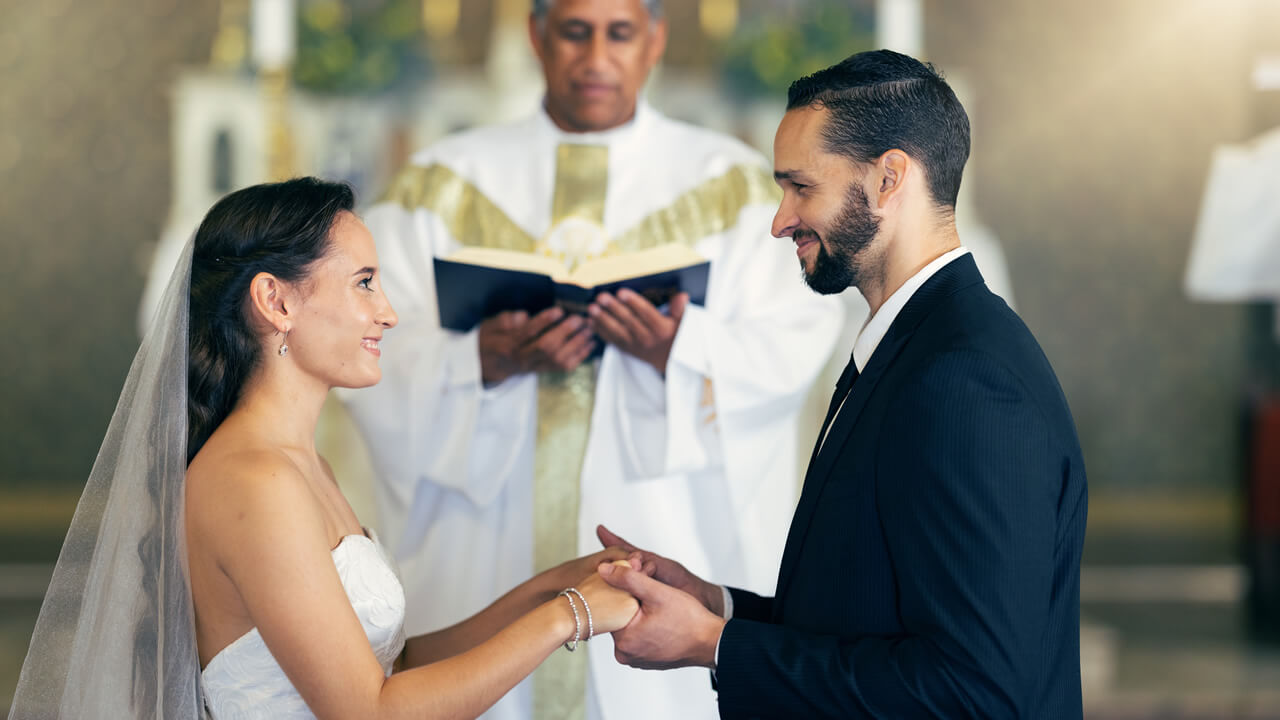
If I have a deportation order, can I get married? Having a deportation order is scary. It’s normal to feel uncertain and this question is more frequent than you think.
The truth is that you can get married. Marriage is a civil right. But getting married doesn’t erase the order. It also does not automatically stop a deportation process. And if you’re planning to arrange paperwork for marriage, you need to understand your options well.
What if I have a deportation order and get married?
A deportation order is a final decision by an immigration judge. It means that the government has already decided that you should leave the country. It doesn’t matter if you entered legally or illegally. The order is recorded in your immigration history.
What does this imply in your daily life?
- You are at risk of being detained by U.S. Immigration and Customs Enforcement (ICE). Many people wonder, “If I have a deportation order, are they looking for me?” The answer is: they can. It doesn’t always happen right away, but there is that risk.
- You cannot ask for normal immigration benefits. The order affects almost all of your paperwork.
- You can’t leave and re-enter the United States. If you leave, you activate punishments of 5, 10 or even 20 years.
- You may have limits on how to work legally, travel, and obtain documents.
Does the deportation order affect your personal life?
Yes. For example, many people want to know if I have a deportation order, if I can get married, or what if I have a deportation order and get married. The order does not take away your right to marry. But it does complicate any immigration process based on marriage.
It’s also important to know that even if you’re married to a U.S. citizen, that doesn’t remove the order. Many people ask, “If I am married to a U.S. citizen, can I be deported?” The answer is yes. Marriage does not stop deportation.
Having a deportation order does not mean that your life is over. But you do need legal advice to understand your options and avoid further problems.
Can a U.S. citizen be deported?
A U.S. citizen can be deported only in very specific cases, such as fraud in obtaining citizenship. These are rare situations, but they can happen.
Can a deported person arrange papers?
Only in certain cases, as long as you meet strict requirements and, many times, an immigration waiver. Every situation is different and it is always best to review the case with an attorney before taking any steps
Marrying in D.C. with a Deportation Order: What Really Changes?
Getting married in Washington, D.C., is possible even if you have a deportation order. Marriage is a civil right. The office that issues licenses does not check your immigration status.
But it’s important to understand what does and doesn’t change after marriage.
What DOES NOT change
- The order is still active. Even if you get married, ICE can detain you.
- Your deportation proceedings do not stop.
- It does not give you automatic legal status.
- It does not erase previous penalties or illegal entries.
- It does not prevent the government from acting; If you have a deportation order, they are looking for you.
What DOES Change
- Marriage can open the door to certain immigration procedures.
- If your partner is a U.S. citizen, they can file an I-130 petition for you.
- You can initiate legal strategies to review your case, such as motions to reopen your deportation.
What if I have a deportation order and get married?
- You can get married without a problem.
- But arranging papers is not easy.
- You need a solid legal plan.
- The key question is not just “can I get married?” but “how does this affect my case and my risks?”
What if I am in another process, such as asylum?
If you are in asylum and you are wondering “if I am in asylum process can I get married?”, the answer is also yes. But again, getting married doesn’t change your immigration process. It only creates an opportunity to claim benefits later, based on your history.
Getting married helps, but it’s not magic. That’s why many people think, “If I have a deportation order, I can get married” and believe that it protects them. Protection comes from the immigration plan, not from marriage alone.
Scenarios in which marriage can help a person with a deportation order
Getting married does not eliminate the order. But in some cases, it can open legal avenues to improve your situation. It all depends on your history, your form of entry and whether or not you have a criminal record.
Here are the most common scenarios:
1. When your partner is a U.S. citizen
If you are married to a U.S. citizen, she can file an I-130 family petition.
Here a frequent question arises: if I am married to a U.S. citizen, can I be deported? Yes, they still can. The I-130 doesn’t fully protect you, but it does create a legal basis to fight your case.
2. When a motion to reopen the case can be asked
Sometimes it is possible to ask the judge to review the order, especially if you do not have serious crimes or if your citizen partner depends on you.
This is where marriage helps the most. The mention of a valid marriage may convince the judge to reopen your case and give you a chance to apply for an adjustment.
3. When you qualify for a waiver
If you have illegal entries, punishments, or a previous deportation, you may need a waiver.
Many people wonder, “If I was deported, can I arrange papers?” In some cases yes, with appropriate pardons. It’s not fast, but it’s possible.
4. When you want to repetition after being deported
If your spouse is a citizen, you may ask: Can I petition for my spouse if he or she was deported?
The answer is yes, you can ask. Another thing is whether the deported person can make arrangements. That depends on the type of deportation and the punishments applied.
5. When you need to demonstrate stability and good faith in active processes
If you have an open asylum case and you’re wondering, “If I’m in asylum proceedings, can I get married?” Doing so can even help you create a new immigration pathway if your asylum case doesn’t progress.
6. If you’re worried about what will happen after deportation
Some ask, “If I am deported, can I travel to another country?”
Yes, you can travel to other countries, but you will not be able to return to the United States without severe punishments. That is why many seek to fix before leaving. Marriage can be part of that plan, it depends on your case.
Situations in Which Marriage Does Not Stop Deportation
Getting married can help in some cases, but it doesn’t always change the situation. There are times when, even if you have a real relationship and a family petition, the government can still move forward with your deportation.
Here are the most common scenarios:
1. When there is already an active final order
If there is already a final order of deportation, the marriage does not cancel it. Many ask, “If I have a deportation order, are you looking for me?” The answer is yes. ICE can search for you, detain you, or execute the warrant even if you are married to a U.S. citizen.
2. When your marriage is recent and there is not enough evidence
If the marriage has just happened and you have no evidence, the government may doubt good faith. In these types of cases, marriage does not serve to stop ICE actions.
3. When there is a serious criminal record
If you have felonies, marriage does not change your eligibility. Here another common question arises: “If I am married to a U.S. citizen, can I be deported? Yes. Felonies eliminate several defense options.
4. When you don’t qualify for forgiveness or can’t reopen the case
There are people who ask, “If I was deported, can I arrange papers?”
Sometimes yes, but if your case includes punishments that don’t allow for forgiveness, then marriage doesn’t change anything. Deportation is still active and there is no way to stop it just by getting married.
5. When ICE decides to execute the order quickly
ICE has the authority to execute deportation at any time if you don’t have open cases. Even if you’re in a process like asylum, or if you’re wondering “if I’m in asylum proceedings, can I get married?”, ICE can act if there are no legal protections in place.
6. When the deported person tries to return without permission
If you have already been deported and want to return because you got married, remember that you cannot return without special permission.
That’s why it’s crucial to understand that deportation and marriage are two distinct paths. One does not automatically eliminate the other.
The importance of having an experienced immigration law firm in D.C. and Virginia
Having a deportation order doesn’t mean you don’t have options. But it is true that each step must be done carefully. Getting married can help you in some cases, but it can also complicate your situation if you don’t have the right strategy.
A good lawyer can review your history, your form of entry, and your deportation order. It can also tell you if your marriage can be used to ask for a motion, a waiver, or an adjustment.
At Lorenzo Law Group/Immigration Lawyers, we understand how delicate your case is. If you’re in doubt or wondering, “If I have a deportation order, can I get married in D.C.? Don’t wait any longer. Speaking with an experienced attorney can make the difference between living in fear or starting to build a safer future.
If you liked this article, you may also be interested in:
- How to Choose Citizenship and Naturalization Lawyers in D.C.
- If I am denied asylum, am I immediately deported to the United States?